
Following publication of the post "Comfort makes you stupid”, a friend (Vincent) sent me a very interesting link about the gradual shift from aging capitalism as a system of enslavement and exploitation of the population (we chase possessions, we get into debt for them, they represent us socially, we are constantly being offered new ones, etc.) to technology, a softer but even more effective control system. This ties in with the theme of this post and the next two, which had been maturing in my brain for a while.
One of the pillars of capitalism is private property. On the one hand, it justifies the organization of society around work, which generates a salary, a medium for acquiring this properties, and, on the other hand, the enjoyment, social recognition, and the comfort of life that these properties will bring you.
My job → My properties → My enjoyment
It is also the immunity stick of the ultra-rich: “He worked hard to get there.” or, alternatively, “He employs x thousands of people.” So their wealth cannot be questioned. And, for the average citizen, it's the carrot: “Work and you'll reap the dividends.”

It is clear that all it takes is to pull a few strings to trap the masses in a vicious cycle of servitude: minimalist wages, fixed-term or downright precarious contracts, unemployment, fluctuating regulations, standardized products. If you earn a little more, don't worry: everything is in place to make you thirsty for more, with high-end, exclusive and limited edition products.
All this for the benefit of the ultra-rich, who remain untouchable and even seem to some to be role models, even “geniuses” who legitimize getting up every morning to go to work. Just in case it happens to us, eh?
Except that no, 99.9% of the time it won't happen to us. Let's assume that all you have to do is work hard to become rich like Jobs (yes, that made me laugh), Musk, Gates, Bezos and the rest. There would very quickly be too many rich people and not enough ordinary people to serve them. And people are increasingly realizing this, even as they continue to run after the golden carrot. They can see that the examples of success that are held out to them are not that numerous. They can see that those self-made men and women often come from very affluent aristocratic or bourgeois backgrounds, and that few have come from the suburbs or the most modest backgrounds.
So they moved the scope a little to include and put money into sports, so-called “pop music”, and promoted the likes of Jamel and Omar Sy on TV and in the cinema. In this way, they were able to bring together the footballer from Bondy, the rapper from Saint-Denis and the comedian from Trappes (occupations and city names are interchangeable here). Even if, here again, there are many who are called and very few who are chosen, and even if their fortunes are incomparable with those of the tech moguls. For a time it was thought that the system could continue to move forward like this.

Then came the internet
When I was young, you could subscribe to the telephone, the electricity company, transport, a newspaper, a library, a video club, a fitness center, not to mention rent if you didn't own your home. All of this made sense, as each service required you to own too many things (a telephone receiver, a factory, a bus, thousands of books, etc.) that you didn't have the means or the desire to own. So you subscribed. The only thing that was a bit different was Canal+ (first french paid TV channel), but it was “justified” by more exclusive content, the latest films before anyone else, and football. Like lots of people, I thought the price was exorbitant and so I never subscribed to Canal+.
With the internet, we entered a whole new world: subscriptions gradually became widespread. In the beginning, in the 90s, people already subscribed to their internet service provider. Then, for some, they made a website, so they subscribed to a hosting service and paid for a domain name for one, two, three years and in fact, they also subscribed to it. For the time being, we're not too wary: new technologies mean new uses, we told ourselves. But it escalated in the second half of the 2000s, as often happens, with the big bucks and online commerce offensive. We started subscribing to all sorts of things: gaming, streaming, storage, security, online courses, etc.

Some companies such as Microsoft, Adobe and others have seen this as an opportunity to change their business model. What were things like before? You had your computer and you were told over and over again that MS Office (for example) was the best office suite. So you used it either because it was pre-installed on your computer, or because you used a cracked version, or because you had bought it. In any case, you knew that when a new version would come out, you would either have to get another cracked version, continue with the old version, or buy a license again. Except that not everyone did this, and another problem was that new versions of Office only came out about every three years. The marketing geniuses at various companies came up with a solution: don't sell anymore! Rent! Monthly, yearly, but rent. Companies get paid more often, at regular times, and, incidentally, this makes piracy a little more complicated. Great, isn't it?
For the user, this means that their software will always be up to date, always cutting edge, unless... they cancel their subscription. Then they have nothing or a version that is so restricted that they can no longer use it normally. This is understandable when the software is super advanced, way ahead of the competition, very innovative or generates a lot of revenue and/or savings. But what about MS Office, which costs 70 euros a year, just because the guys established a monopoly in the business world at the turn of the 80s and 90s? As soon as you dig a little, you see that there are at least three or four alternative choices (LibreOffice, OnlyOffice, etc.), all free, even open source, available on Win, Mac or Linux, and which work as well as, if not better than, MS Office. Apart from for businesses (and even then), what is the point of subscribing to MS Office?
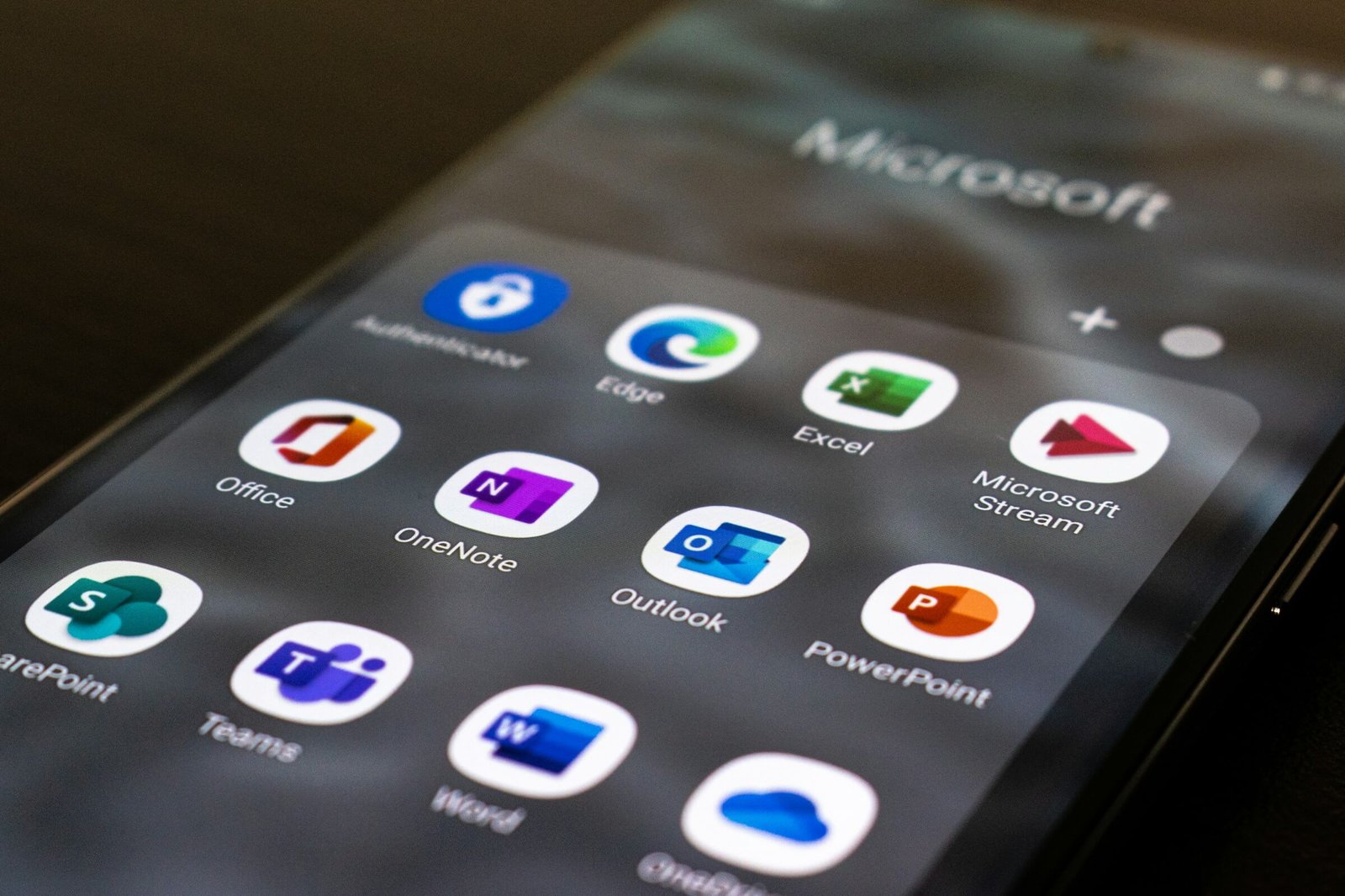
But the habit is set, we subscribe, we subscribe: Spotify, Chat GPT, Netflix, Disney +, Prime, Bein Sports, YouTube, Dropbox, guitar lessons, coaching for fitness, life, spirituality, training, everything is there! Everything is a subscription! So much so that there is now softwares to manage your subscriptions! And if you still don't have enough money, they offer you a subscription that is 50% cheaper but with ads... while others fill their basic version with ads to encourage you to subscribe.
En voiture Simone…
Why stop there? The climate is reminding us of itself, so it seems that all European cars will be replaced by electric vehicles. Problem: the production cost of the smallest electric car is higher when compared to its thermal equivalent. And, given the investments made, a comfortable margin must be ensured to make it viable. Thus, manufacturers are abandoning simple and economical models that do not generate a sufficient margin, and as a result, the lowest prices are less and less accessible. Damn it, Marcel! I know: we'll rent them the cars then! Subscription...
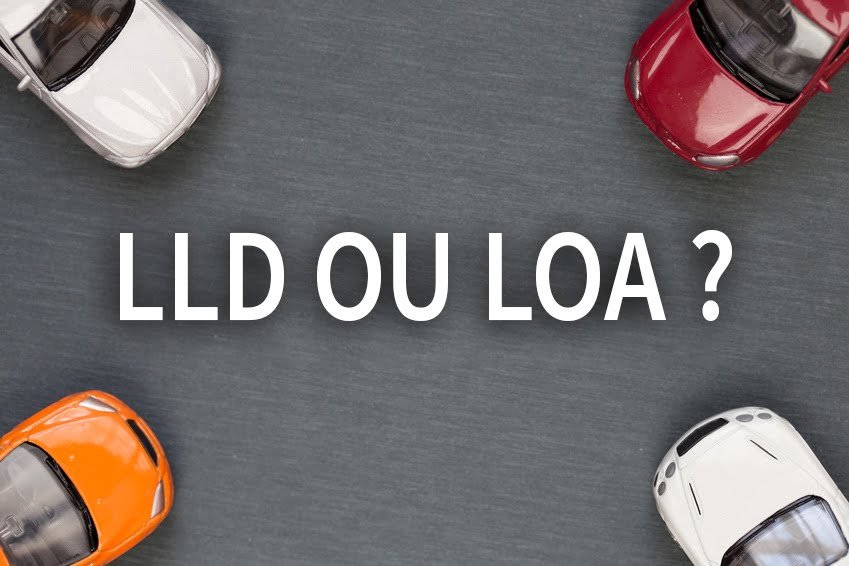
I'll stop there, because I think you only need to look at your own case to see this inflation in subscriptions and long-term rentals of all kinds. But we have to realize that by switching from ownership to subscription, we make ourselves vulnerable. When you own your own home, in the event of a setback, you always have a roof over your head and, if the worst comes to the worst, you can always sell your house. But when you rent, if you stop paying, you're out on the street! Well, it's the same thing: from one day to the next, you can go from being the almighty Bruce behind your screen to the plague-ridden guy that no service wants to deal with anymore.
Your professional life, your personal leisure activities, your everyday comforts, everything can go out the window if you're just a subscriber/tenant. We find consolation in telling ourselves that it's not that expensive and that we'll manage to find the money somehow, and that we can always come to an arrangement with the bank, the telecoms and all the others. Yeah, maybe.
What if one day we were confronted with a power that openly uses these levers without the possibility of recourse and/or democratic control?
Wesh Bro !

